Medieval Castle: A Designer's Real-World Embroidery Review
When I first opened the Medieval Castle design pack, my initial reaction wasn't about the file formats or the download speed. It was about the mood. There is a distinct weight to this imagery that feels different from the generic floral or modern geometric patterns flooding the market. As someone who has spent years evaluating digital assets for real-world stitching projects, I look for designs that hold up under the needle and tell a story without getting lost in the fabric texture. This set of 100 unique quote designs brings a specific historical charm that can elevate a simple craft project into something that feels like a boutique heirloom.
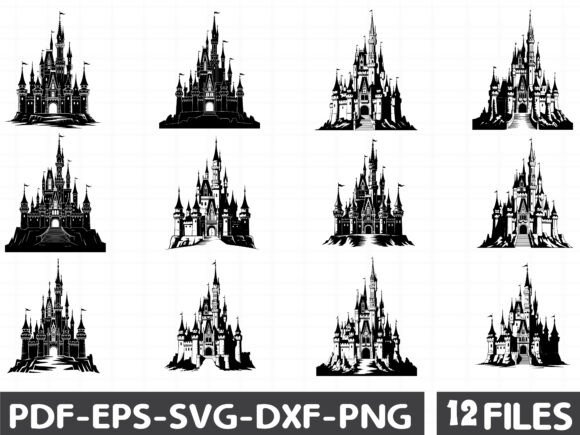
The visual personality of Medieval Castle is bold yet intricate. The shapes suggest stability and history, which immediately makes me think of sturdy fabrics rather than delicate silks. When I imagine placing this design on a customer's garment, I don't see it fading into the background; I see it commanding attention. For a designer looking to create a cohesive brand identity, this theme offers a strong narrative hook. It works beautifully for businesses that want to project an image of tradition, durability, or perhaps a playful nod to fantasy and folklore. The layout of the graphics suggests they are ready to be translated into stitch, but the devil is always in the details when moving from screen to thread.
Bringing Medieval Castle to Life on Custom Apparel
Let's talk about a real scenario I recently encountered while preparing inventory for a holiday pop-up shop. I needed a design that would work on both heavy cotton tote bags and softer fleece sweatshirts. The challenge with many digital illustrations is that they often look great on a screen but collapse when stitched onto curved surfaces or textured materials. Medieval Castle, however, showed promise right out of the box.
I decided to test the design on a custom embroidered tote bag for a local bookstore client. The castle motif fits perfectly with the literary theme, evoking images of ancient libraries and forgotten tales. Because the design includes various formats like SVG, PNG, DXF, EPS, and PDF, I could easily adjust the scale for different products. On the canvas tote, the lines were crisp, creating a sharp contrast against the natural fabric color. The stitch density felt appropriate for a fill stitch application, ensuring the castle walls wouldn't pucker after washing.
However, not every surface is a winner. If you are planning to use Medieval Castle on a baby item, like a onesie or a soft blanket, you need to be cautious. While the design is charming, the complexity might overwhelm a small infant garment if not scaled down carefully. For a baby gift, I would recommend focusing on the larger, simpler elements of the castle silhouette rather than trying to stitch every tiny flag or window detail. The goal is to keep the finished product soft and comfortable, not stiff and scratchy. In this context, the design serves as a wonderful focal point for a nursery decor piece or a keepsake pillow cover, where the fabric tension is more forgiving.
Navigating Stitch Density and Fabric Texture
One of the most critical aspects of any embroidery project is how the design interacts with the fabric texture. When I reviewed Medieval Castle, I considered how the satin stitch and fill stitches would behave on different materials. On a thick denim jacket or a structured cap, the design shines. The rigid nature of these fabrics supports the density required to render the castle features clearly. The result is a professional-looking finished product that retains its shape even after multiple washes.
Conversely, there are areas where caution is advised. Using this design on stretchy fabrics, such as standard t-shirt jersey, requires extra stabilization. Without proper hoop size management and stabilizer support, the tension of the stitches could cause the fabric to gather, distorting the castle's geometry. Similarly, on dark fabrics, the thread colors must be chosen with extreme care. If the base thread isn't opaque enough, the intricate details of the illustration might get lost in the darkness of the material. I strongly advise testing your thread colors on scrap fabric before committing to a final production run.
For those of you running a craft business or selling on Etsy, understanding these limitations is key to maintaining customer trust. A poorly executed stitch job on a complex design like Medieval Castle can lead to returns and negative reviews. But when done correctly, the design adds significant value to the handmade product. It transforms a mass-produced item into a personalized gift that feels curated and special. The historical theme resonates well with customers who appreciate craftsmanship and storytelling through their accessories.
Practical Notes for the Professional Designer
Before you start stitching, there are several technical steps you must take to ensure success. First, always test the design on scrap fabric that matches your intended project material. This helps you gauge the actual stitch count and density. If the design is too dense, you may need to adjust the settings to prevent the fabric from bunching. Second, inspect the small details closely. Some of the smaller elements in the Medieval Castle pack might be too fine for very small hoop sizes or low-resolution machines. You might find that certain decorative accents need to be simplified or removed entirely for a clean finish.
Another vital step is checking whether the design works for both personal and commercial projects. Licensing terms vary, so confirm that you have the right to sell finished items made with this digital embroidery file. If you plan to offer these as part of a subscription or a digital product preview, ensure the mockups accurately represent the final stitched look. A printable mockup that shows the design on a black background versus a white background can help you visualize the contrast issues before you ever touch a spool of thread.
Finally, consider the versatility of the design assets. Since the pack includes vector formats like DXF and EPS, you aren't limited to just machine embroidery. These files can be used for cutting mats for vinyl applications or printed on heat transfer paper for hybrid projects. This flexibility makes Medieval Castle a valuable addition to any creative entrepreneur's toolkit. Whether you are decorating aprons for a cooking class, creating patches for a uniform, or designing holiday gifts for clients, the ability to adapt the design ensures you can meet diverse customer needs.
Final Thoughts on Visual Appeal and Brand Consistency
In the end, the success of an embroidery project comes down to the balance between artistic vision and technical execution. Medieval Castle offers a strong foundation for building a recognizable brand aesthetic. It speaks to a sense of adventure and timelessness that appeals to a wide audience. From the boutique owner looking to stock unique home goods to the hobbyist making personalized gifts for family, this design pack provides the necessary tools to create high-quality, visually appealing products.
Remember that the best results come from preparation. Take the time to review the stitch density, select the right stabilizer, and choose thread colors that complement the fabric texture. By treating the design with the respect it deserves and following practical guidelines, you can turn a simple digital graphic into a stunning, tangible masterpiece. Whether it ends up on a sweatshirt, a tote bag, or a wall hanging, Medieval Castle has the potential to become a standout piece in your portfolio of handmade creations.