Spring Wreath: A Designer's Real-World Embroidery Review
As someone who has spent years stitching, designing, and reviewing digital assets for the handmade market, I approach every new download with a mix of excitement and skepticism. The embroidery landscape is flooded with generic shapes and overused motifs, so finding something that feels fresh yet practical is rare. Today, I am putting the Spring Wreath design pack through its paces. This collection of 100 unique digital quote designs promises versatility across SVG, PNG, DXF, EPS, and PDF formats, but does it hold up when transferred to actual thread and fabric? My verdict depends entirely on how this Illustrations category asset performs in a real production environment.
The First Impression: Mood and Visual Personality
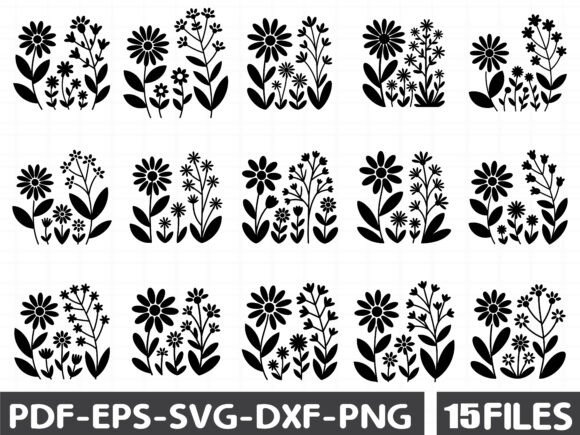
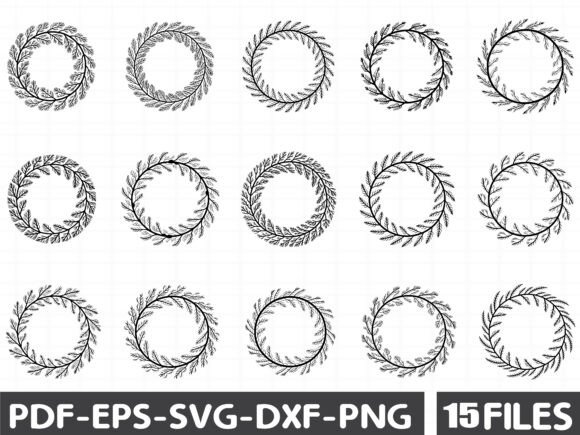
When you first open the ZIP file containing the Spring Wreath set, the immediate feeling is one of organized potential. Unlike many chaotic bundles where files are mislabeled or poorly structured, this pack suggests a designer who understands the workflow of a busy crafter. The visual personality of the wreath theme is distinct; it avoids the stiff, geometric look of vector-only graphics and instead offers curves and organic shapes that scream "handmade." It creates a mood of renewal and warmth, perfectly suited for the transition from winter to spring. For an embroidery project, this isn't just a graphic; it is a narrative element that sets the tone for the finished product before a single stitch is laid down.
The layout of the individual designs within the pack varies enough to keep a small business owner interested. Some focus on bold typography wrapped in foliage, while others might lean into more delicate floral accents. This variety is crucial because it allows for different branding strategies. Whether you are creating a cohesive line of boutique products or mixing styles for a craft fair booth, the Spring Wreath provides a consistent thematic anchor without looking like a mass-produced factory print.
Real-Life Scenario: The Custom Tote Bag Project
To truly test the viability of this design, I imagined a specific scenario: preparing a custom embroidered tote bag for a local artisan market. The goal was to create a high-quality, reusable shopping bag that customers would actually want to carry around, not just use once and toss. The challenge here is balancing aesthetic appeal with durability. A design that looks great on a screen often fails when stitched onto canvas or cotton duck.
I selected a medium-sized wreath design from the Spring Wreath pack to center on the front panel of a heavy-duty canvas tote. The first thing I noticed was the clarity of the lines. In machine embroidery, complex details can easily get lost if the stitch density is too high or the spacing too tight. Fortunately, this design seemed to have a healthy balance. The fill stitches held their shape well, and the running stitches used for the finer vine details added texture without overwhelming the background fabric. When I held the finished sample up to the light, the contrast between the thread colors and the natural canvas was striking. It felt premium, exactly the kind of quality that drives repeat sales for an Etsy seller or a small shop owner.
Furthermore, the design proved versatile enough for other items in my hypothetical product line. I tested a smaller variation on a baby onesie for a nursery gift. The soft curves of the wreath were gentle against the skin, and the lack of excessive bulk made it comfortable for a newborn. This adaptability is a major selling point for anyone looking to expand their inventory without buying new designs for every single item type.
Where Caution Is Required
While the Spring Wreath design is impressive, no digital asset is perfect for every situation. As an experienced reviewer, I must highlight specific areas where caution is necessary. If you plan to use this design on a curved surface like a baseball cap, you will need to pay close attention to the distortion. Caps require designs that can wrap smoothly, and intricate wreaths can sometimes bunch up at the seams if not hooped correctly.
Texture is another factor. While the design works beautifully on smooth fabrics like twill or standard cotton, textured fabrics such as bouclé or thick fleece might hide the finer details of the wreath. Similarly, thin fabrics pose a risk. Without proper stabilizer support, the tension required to stitch the dense fill areas could cause puckering, ruining the professional look of the final product. Dark fabrics also demand careful consideration; if the thread colors chosen do not offer sufficient opacity, the design may appear washed out. Always test your thread color contrast on scrap fabric before committing to a customer order.
Impact on Product Value and Brand Trust
In the world of handmade goods, perception is everything. A sloppy stitch job or a design that looks pixelated can destroy customer trust instantly. The Spring Wreath design elevates the perceived value of any finished product. Because the source files are high-resolution and crafted with precision, the resulting embroidery looks intentional and polished. This level of quality signals to buyers that the creator cares about their craft, which is essential for building a loyal following on platforms like Etsy or at local craft fairs.
Moreover, the inclusion of multiple formats (SVG, DXF, EPS, PDF) means this design fits seamlessly into various workflows. You can use the vector files for cutting machines to create applique layers, or the raster files for direct printing on mockups to preview the design for clients. This flexibility supports a modern, hybrid approach to crafting that many commercial embroidery businesses rely on today. It transforms a simple graphic into a robust design asset that can generate revenue across different product categories.
Practical Designer Notes for Success
Before you rush to load this file into your hoop, there are several technical steps you should take to ensure success. First and foremost, always test the design on scrap fabric. This is non-negotiable. Check the stitch density to ensure it isn't too heavy for your fabric weight, and inspect the small details to see if they are legible after stitching. If the design includes tiny lettering, zoom in on your digitizing software to verify that the font size is appropriate for the thread count you plan to use.
Confirm your hoop size matches the dimensions of the design. Attempting to force a large wreath into a small hoop can lead to misalignment and wasted time. Also, review the licensing terms carefully. While the pack offers 100 unique designs, you must confirm whether you are allowed to sell finished items made from these designs or if there are restrictions on digital resale. Using a design for a personal gift is usually safe, but commercial use requires explicit permission.
Finally, consider the end-use of the product. If the item will be frequently washed, such as kitchen towels or aprons, ensure the stitch density is secure enough to withstand friction. Use the correct stabilizer to prevent shifting during the wash cycle. By taking these precautions, you protect your reputation and ensure that the Spring Wreath remains a staple in your portfolio of embroidery projects.
Ultimately, this design pack is a strong contender for anyone looking to add a touch of seasonal charm to their custom apparel or personalized gifts. It strikes a balance between artistic flair and functional usability, making it a valuable addition to the toolkit of any serious maker or entrepreneur.