Spring Highland Cow Review for Real Embroidery
I have spent years stitching, designing, and reviewing digital assets for my own handmade shop. When I first saw Spring Highland Cow, it didn't just look like another cute graphic; it felt like a specific mood waiting to be stitched. As an experienced designer, I don't just look at the lines on a screen; I imagine how the needle will move, how the thread will lay down, and how the final piece will feel in someone's hands. This review is about that practical reality.
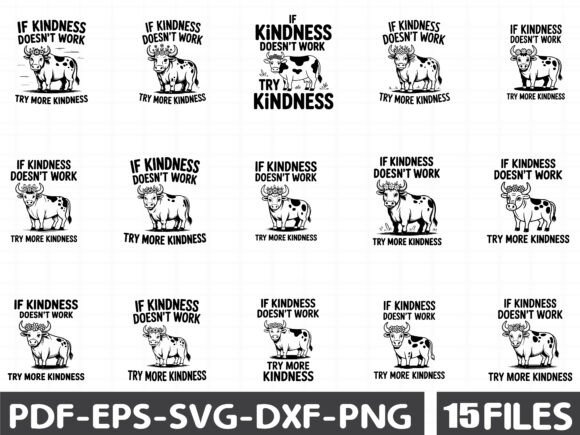
The design pack, which includes 100 unique digital quote designs, offers a massive library of possibilities. However, when we focus specifically on the Spring Highland Cow concept, it stands out as a character-driven piece. It creates an immediate sense of rustic charm mixed with modern whimsy. The visual personality suggests a project that belongs in a cozy cottage, a boutique nursery, or a high-end artisanal kitchen towel collection. It is not a generic icon; it has a story, and that story translates well into a finished embroidery product.
Bringing the Design to Life: A Real-World Scenario
Let me walk you through a scenario where I would actually deploy this design. Imagine I am preparing a custom order for a client who runs a small boutique selling baby gifts. They need a special item for a "Welcome Home" gift basket. The brief calls for something soft, approachable, and memorable.
This is where Spring Highland Cow shines. I envision taking the design file and placing it on a heavyweight cotton muslin tote bag. The cow illustration, likely featuring those signature long lashes and fluffy coat texture, would work beautifully with a satin stitch outline to define the shape against the canvas. The accompanying quote from the pack could be stitched in a clean running stitch or a slightly textured fill stitch to contrast with the bold lines of the animal.
When I think about the customer reaction, I see them smiling. It is not just a logo; it is a conversation starter. For an Etsy seller or a craft fair vendor, items like this command a higher price point because they feel personalized and thoughtfully designed. The design fits perfectly on a sweatshirt for a family outing, a patch for a denim jacket, or even a pillow cover for a child's room. The versatility here is what makes it a valuable asset for any creative entrepreneur looking to expand their catalog without losing brand consistency.
Technical Performance on the Hoop
As a designer, I know that a pretty image does not always equal a successful embroidery machine design. The success of Spring Highland Cow depends heavily on execution. When working with digital graphics converted for machine embroidery, the stitch density becomes critical. If the design relies too much on dense fill stitches, it can cause puckering, especially on lighter fabrics like linen or thin cotton blends often used for tea towels or baby clothes.
I would recommend testing the design on scrap fabric first. This step is non-negotiable for professional results. You need to check if the stitch density allows the fabric to lie flat or if it creates a stiff, unnatural ridge. For a design intended for apparel, such as a t-shirt or a hoodie, the stabilizer choice is equally important. A cut-away stabilizer might be necessary to support the weight of the cow's fur texture, while a tear-away might suffice for a lightweight tote bag.
Thread color selection also plays a huge role in the visual appeal. A Highland cow design usually benefits from natural tones—creams, browns, and soft greys—to capture the essence of the breed. Using high-contrast thread colors can make the details pop, but one must be careful not to lose the definition of the smaller features, like the eyes or the horns. If the original digital file includes detailed corners or tiny lettering within the quote, these areas require close inspection. Tiny text often gets lost in the stitching process unless the hoop size is large enough to accommodate the detail without crowding.
Navigating Fabric Challenges
Not every surface is created equal, and knowing where to use Spring Highland Cow carefully is part of being a responsible designer. Curved surfaces, like baseball caps or beanies, present a unique challenge. While the design might look perfect on a flat mockup, the curvature can distort the proportions of the cow or the alignment of the text. In these cases, I would advise reducing the overall scale of the design or simplifying the background elements to ensure the focal point remains clear.
Textured fabrics are another area of caution. If you are embroidering on a thick fleece or a heavily woven wool, the needle might struggle to penetrate the material cleanly, leading to skipped stitches. Similarly, stretchy fabrics like jersey knits require a specific approach. Without proper stabilization, the tension of the embroidery threads can cause the garment to pucker significantly after washing. For products that need frequent washing, such as aprons or kitchen towels, the durability of the stitches is paramount. Dense stitch areas should be reinforced, and the thread type should be chosen for longevity rather than just sheen.
Impact on Product Value and Brand Trust
In the world of handmade goods and commercial embroidery, quality speaks louder than marketing copy. A well-executed Spring Highland Cow design elevates the perceived value of the entire product. When a customer receives a personalized gift or a custom apparel item, they are buying into the craftsmanship. If the design looks sloppy, with loose threads or misaligned elements, it erodes trust immediately.
Conversely, a clean, professional finish reinforces brand consistency. For small business owners and digital product sellers, having a reliable library of graphics like the 100 unique quote designs mentioned in the product description means you can maintain a cohesive aesthetic across your inventory. Whether you are creating printable mockups for listings or producing actual physical goods, the design assets must be versatile enough to adapt to different contexts.
The emotional connection is also key. A design featuring a Highland cow evokes feelings of nature, resilience, and warmth. These emotions transfer to the buyer. When you sell a finished product, you are selling that feeling. The design acts as a bridge between the maker's intent and the recipient's experience. This is why paying attention to the nuances of the design—how the hair flows, how the quote is spaced—is essential for creating a memorable embroidery project.
Practical Designer Notes for Success
Before you hit the start button on your machine, there are several checks you should run through. First, confirm the licensing terms. Just because you bought a digital download does not automatically mean you can resell every finished item, especially if the license restricts commercial use. Always read the fine print regarding commercial embroidery rights.
Second, inspect the small details. Zoom in on the digital file. Are the curves smooth? Is the text legible? Sometimes, files downloaded in ZIP formats can have minor glitches or missing vectors. Ensure the design works in both black and white mockups to check the balance of negative space. This helps you visualize how the design will look on different colored backgrounds, which is crucial for custom apparel where you might offer multiple color options.
Finally, consider the end-use environment. If the item is going to be a holiday gift, does the design fit the occasion? Holiday embroidery often requires a specific festive touch, so ensure the cow theme aligns with the season or message. If you are using the design for a tote bag design, think about the placement. Center chest, pocket, or full back? Each location changes the visual impact.
By treating Spring Highland Cow not just as a file but as a component of a larger creative strategy, you can produce work that stands out. Whether you are a hobbyist making a gift for a friend or a seasoned pro fulfilling bulk orders, the principles remain the same: test thoroughly, choose the right materials, and respect the integrity of the design. With the right approach, this design pack can become a staple in your repertoire of design assets, helping you create products that customers love to buy and cherish to keep.